
 Recruitment
 Onboarding
 Benefits
 Third-Party Administration
 Time & Attendance
 Payroll
 401K
401K HR+
HR+ Business & Commercial Insurance
 Auto/Home/Umbrella
 Health/Dental/Vision
 Medicare
 iSolved
 Umbrella Tech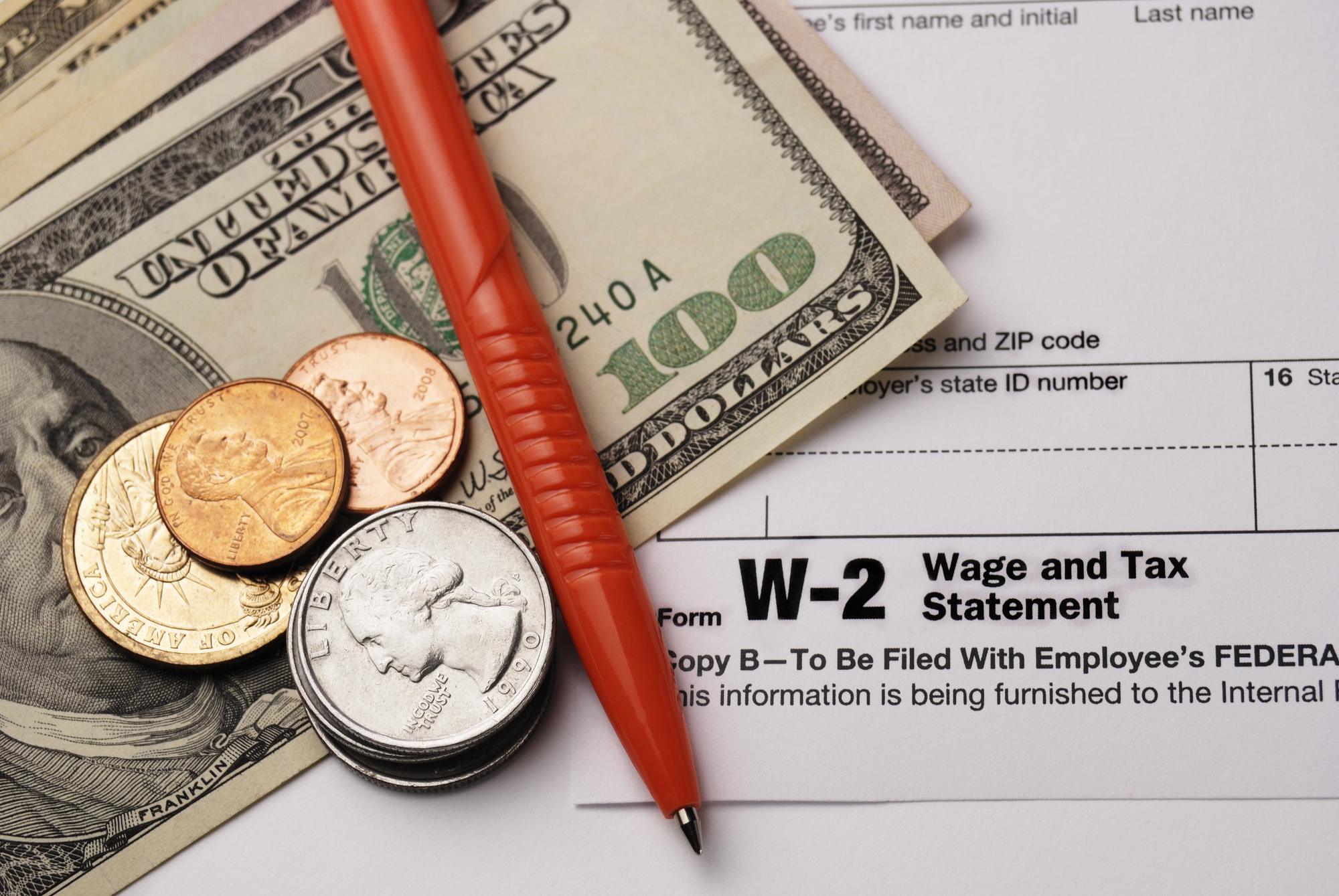
W-2 Employee vs 1099 Contractor in NY: Compliance Guide
The W-2 Employee vs 1099 Contractor classification decision is one of the most important compliance decisions employers make when hiring...



HR compliance for New York businesses can quickly become overwhelming—especially as your company grows. What worked when you had five employees may not hold up when you reach twenty, fifty, or more. Between wage laws, employee documentation, leave requirements, and workplace policies, many employers find themselves stuck trying to keep up.
The challenge is that HR compliance isn’t just about avoiding penalties—it’s about protecting your people, building trust, and creating a workplace that runs smoothly.
In this post, we’ll break down five of the most common (and costly) compliance mistakes New York employers make—and how to stay ahead with stronger HR compliance overall.
For additional guidance, employers can also reference the New York State Department of Labor, which provides up-to-date employer requirements and resources.
One of the biggest compliance traps for growing companies is incorrectly classifying workers as exempt vs. non-exempt, or employees vs. independent contractors.
Misclassification can lead to:
Back wages and overtime liability
Tax penalties
Legal disputes
Department of Labor audits
This issue often happens when businesses grow quickly and job roles evolve. A position that once seemed “salaried” may actually require overtime pay under New York law.
Strong HR compliance for New York businesses starts with ensuring every worker is classified correctly from day one—and reviewed regularly as responsibilities change.
New York has some of the most employer-specific wage laws in the country. Minimum wage rates vary by region, and employers must stay compliant with:
Overtime rules
Pay frequency requirements
Wage notices and paystub standards
Recordkeeping obligations
Even small payroll errors can become expensive over time, especially when HR compliance is already complex.
Growing companies often find that payroll becomes harder to manage internally as headcount increases. If your team is spending more time fixing errors than focusing on strategy, it may be time to explore outside support.
You may also find this related blog post helpful: Is HR Outsourcing Worth It for Businesses in New York? What Employers Really Pay
Many employers don’t realize how many written policies are required—or strongly recommended—in New York.
Common missing items include:
Paid sick leave policies
Harassment prevention training documentation
Family and medical leave guidelines
Workplace safety procedures
Employee handbook updates
Without clear policies, businesses risk confusion, inconsistent enforcement, and compliance exposure. Employees also deserve transparency about expectations and benefits.
Clear policies are a key part of maintaining HR compliance for New York businesses, especially as teams expand across departments or locations.
As teams grow, informal HR processes often break down. Employers may struggle to maintain:
Accurate employee files
Signed onboarding documents
Time and attendance records
Performance and disciplinary documentation
Good documentation isn’t just administrative—it’s one of the strongest protections in the event of an audit, employee complaint, or legal dispute.
For example, if a wage dispute arises and records are incomplete, the employer may be at a disadvantage even if they acted in good faith.
Building organized systems early is one of the smartest investments a growing business can make.
Many growing businesses treat HR compliance as an afterthought—until something goes wrong.
But proactive HR support can help you:
Stay compliant as laws change
Reduce risk and stress
Improve employee experience
Build stronger systems for growth
Free leadership to focus on business strategy
Compliance isn’t meant to be handled alone, especially in a state as complex as New York.
Bene-Care helps employers simplify HR compliance for New York businesses with trusted guidance, hands-on support, and tailored solutions for growing teams.
Learn more about our services here.
If your company is growing, here are a few proactive steps to strengthen compliance:
Review employee classifications annually
Update wage and hour processes with each expansion
Refresh your handbook and required policies
Maintain organized employee documentation
Partner with an HR expert before issues arise
The earlier you build a compliant foundation, the easier growth becomes.

HR compliance for New York businesses is challenging—but it doesn’t have to be a constant struggle. By avoiding these five common mistakes, employers can reduce risk, support employees, and grow with confidence.
If you’d like help reviewing your current HR practices or building a compliance-ready foundation, our team is here for you.
Reach out anytime through our Contact Page.