
 Recruitment
 Onboarding
 Benefits
 Third-Party Administration
 Time & Attendance
 Payroll
 401K
401K HR+
HR+ Business & Commercial Insurance
 Auto/Home/Umbrella
 Health/Dental/Vision
 Medicare
 iSolved
 Umbrella Tech
Introducing Bene-k 401(k): A Modern Retirement Solution for Rochester Businesses
At Bene-Care, we’re always looking for ways to better support the employers and employees we serve. That’s why we’re excited...


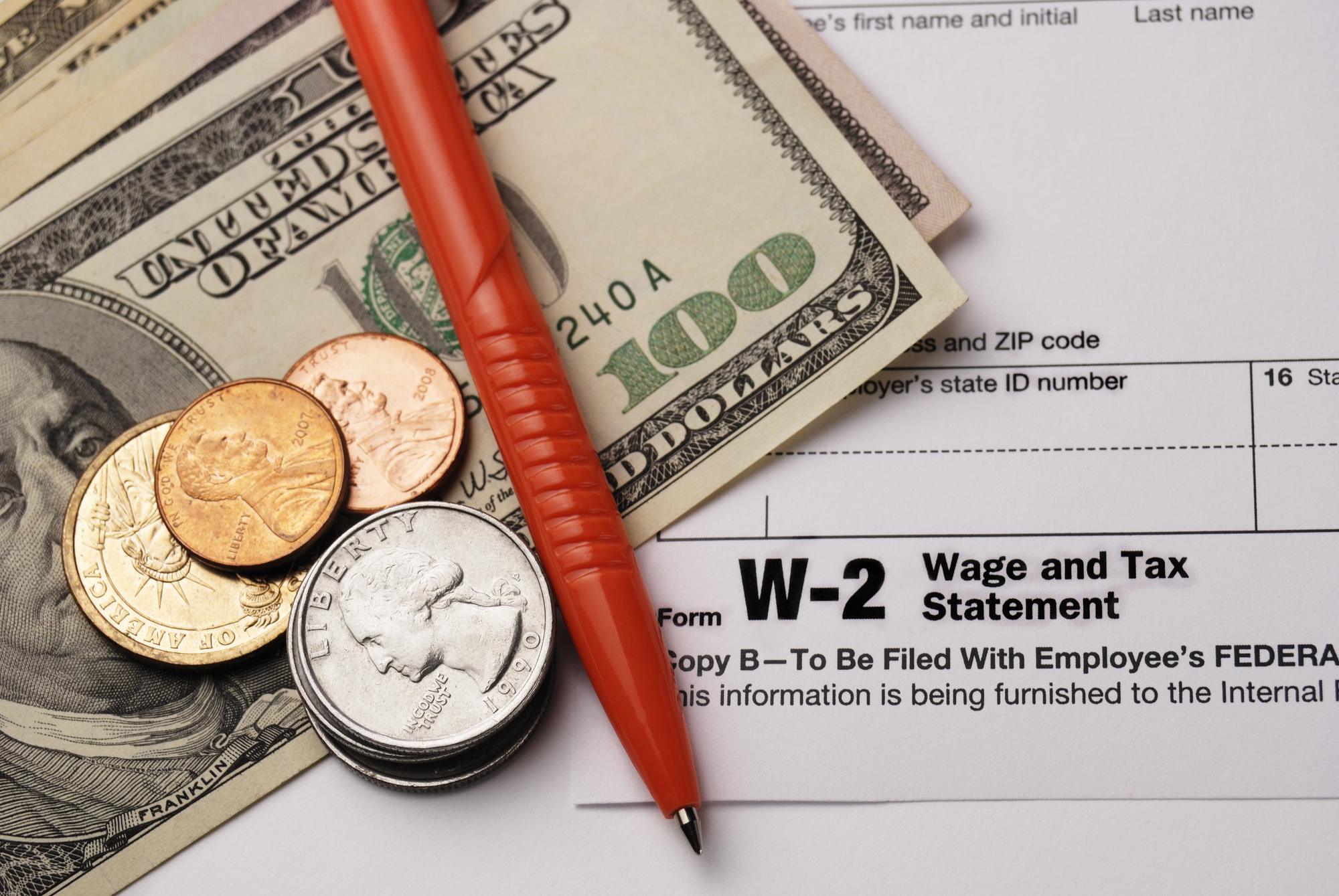
The W-2 Employee vs 1099 Contractor classification decision is one of the most important compliance decisions employers make when hiring workers. Understanding the difference between the two in New York helps businesses avoid payroll tax penalties, compliance violations, and costly misclassification mistakes.
As freelance work and flexible staffing models continue to grow, many businesses rely on independent contractors for specialized work. However, not every worker qualifies as a contractor under federal or New York labor laws. Employers must evaluate worker relationships carefully to ensure they meet both tax and employment regulations.
For employers evaluating the W-2 Employee vs 1099 Contractor classification decision, understanding the legal, tax, and payroll implications is essential. Below are five critical facts every New York employer should know.
The most important factor in determining whether someone is classified as a W-2 employee or a 1099 contractor is the level of control an employer has over the work being performed.
A W-2 employee typically works under the direction of the employer. Companies may:
Set work schedules
Provide tools and equipment
Establish procedures or workflows
Require training or supervision
A 1099 independent contractor, on the other hand, usually controls how the work is performed. Contractors often determine their own schedules, use their own equipment, and may work for multiple businesses at the same time.
According to the Internal Revenue Service (IRS), worker classification is largely determined by the degree of behavioral and financial control an employer has over the worker. Employers can review official IRS guidance on independent contractor classification here.
When an employer controls how work is completed, the worker is more likely to be classified as an employee rather than a contractor.
Another major difference between a W-2 employee and a 1099 contractor is payroll taxes.
When workers are classified as W-2 employees, employers must:
Withhold federal income taxes
Withhold New York State income taxes
Pay Social Security and Medicare taxes
Pay unemployment insurance contributions
Issue a W-2 form at the end of the year
Independent contractors handle their own tax responsibilities. Businesses typically issue Form 1099-NEC if payments to a contractor exceed $600 during the year.
Because contractors manage their own taxes, employers are not responsible for payroll tax withholding. However, this benefit comes with strict classification requirements.
Employers working with professional payroll services can help ensure that taxes, reporting, and worker classifications are handled correctly.
Learn more about Bene-Care’s payroll solutions here.
Worker classification also determines whether individuals qualify for employment protections and benefits.
W-2 employees in New York may be eligible for:
Minimum wage protections
Overtime pay under wage and hour laws
Workers’ compensation coverage
Unemployment insurance benefits
Anti-discrimination protections
Employees may also receive employer-sponsored benefits such as health insurance, retirement plans, or paid time off.
Independent contractors typically do not qualify for these protections or benefits, because they operate as independent businesses rather than employees.
Because of these differences, regulators closely monitor worker classification to ensure employees receive the protections they are entitled to under labor law.
Incorrectly classifying employees as independent contractors can create serious legal and financial consequences for employers.
Common misclassification penalties may include:
Back payment of wages and overtime
Payroll tax penalties
Interest on unpaid payroll taxes
Liability for unemployment insurance contributions
Workers’ compensation penalties
As companies grow, worker classification mistakes often become more common. Many expanding organizations encounter compliance challenges as they hire new workers and adjust workforce structures.
For more insight into these challenges, read our blog on HR Compliance for Growing NY Businesses: Where Employers Get Stuck Most Often.
Employers can reduce classification risk by maintaining proper documentation when working with independent contractors.
Best practices include:
Using written independent contractor agreements
Clearly defining project scope and payment terms
Avoiding direct supervision of contractor work
Keeping invoices and payment records
Reviewing contractor relationships regularly
Companies should also verify that contractors operate independently, often serving multiple clients and managing their own business operations.
Maintaining proper documentation helps employers protect their business in the event of an audit or classification review.
Managing worker classification becomes more complex as businesses grow. Employers must balance workforce flexibility with compliance responsibilities.
Professional payroll and HR support can help businesses:
Track worker classifications
Maintain accurate payroll tax reporting
Generate W-2 and 1099 forms
Maintain documentation for audits
Stay compliant with changing labor regulations
The right payroll and HR systems can significantly reduce compliance risks while helping employers focus on running their business.

Understanding the differences between a W-2 employee vs a 1099 contractor in NY is essential for employers managing payroll, taxes, and workforce compliance.
Worker classification affects payroll taxes, employee protections, and legal responsibilities. By carefully evaluating worker relationships and maintaining proper documentation, employers can avoid costly penalties and maintain compliance with New York labor regulations.
If your organization needs help managing payroll, HR compliance, or workforce administration, Bene-Care is here to help.
Contact us today to learn how our payroll and HR solutions can support your business.